
A small shop lives or dies on daily economics. Customers walk in, buy something that fits their habits, and come back often enough to keep cash flow steady.
Foot traffic looks great on paper, yet the engine that carries a shop through the year usually sits in repeatable purchasing behavior, predictable costs, and a location that matches how local residents or visitors actually spend.
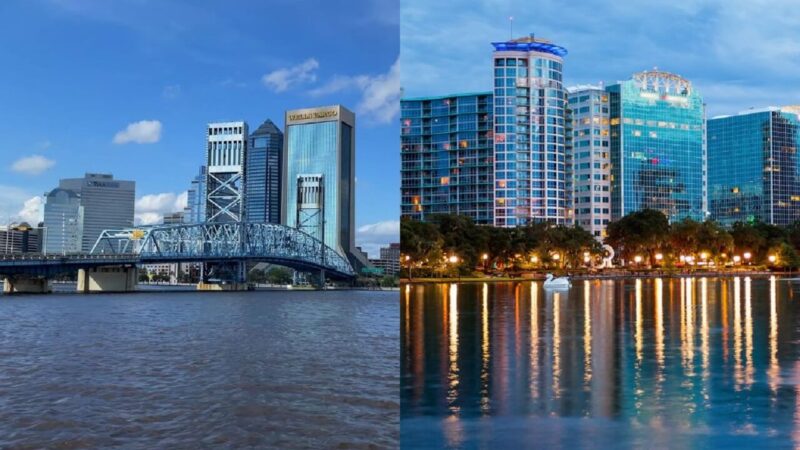
Florida gives you two major candidates that come up in nearly every conversation about retail: Orlando and Jacksonville. Both can work. The stronger fit comes from matching your model to the way each city moves.
Start By Locking In Your Shop Shape
A comparison between cities only works once the business model sits firmly in place. Size, labor needs, product mix, seasonality, and capital requirements all shift once you pick a direction.
A “small shop” can mean a tight boutique, a service space that happens to sell retail, or a visitor-driven concept that survives on quick purchases from people you will never see again.
Common Small Shop Models
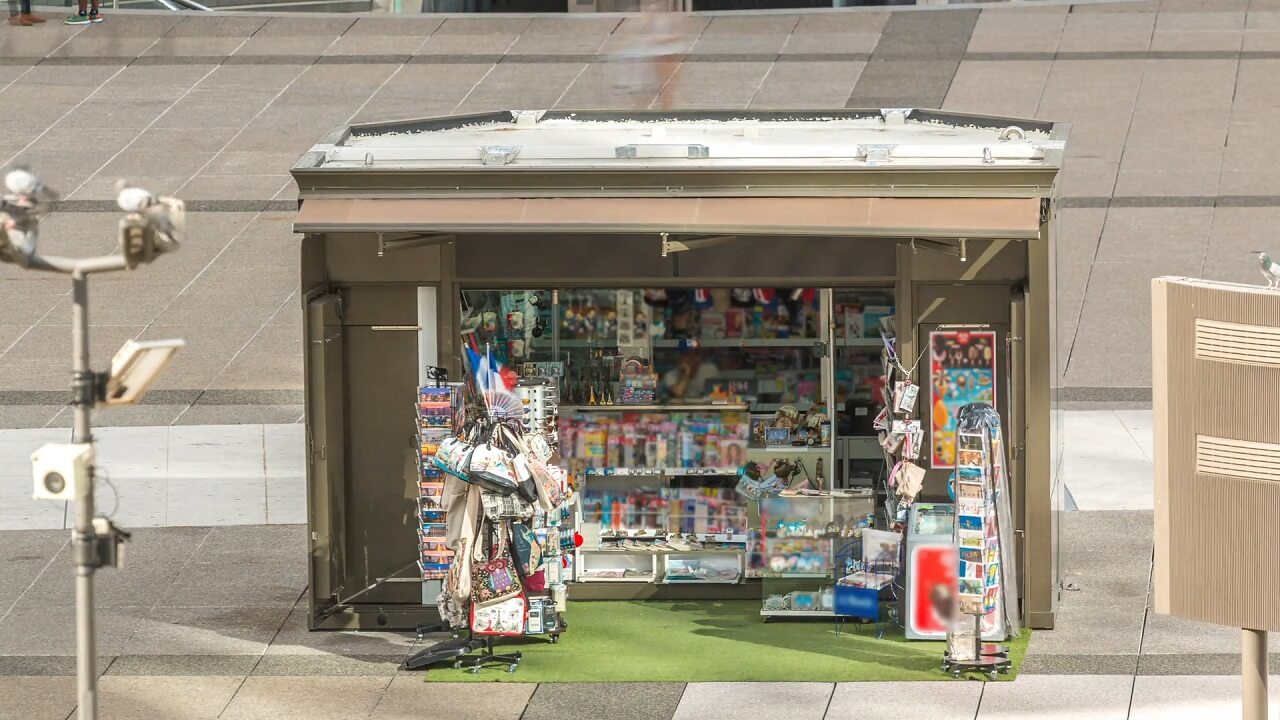
- Tourism heavy retail: souvenirs, branded apparel, specialty snacks, small gift items, travel-adjacent convenience goods.
- Neighborhood retail: boutique, home goods, books, kids’ items, hobby, wellness, pet retail, small specialty grocery.
- Service forward retail: salons with retail add-ons, bike shops, repair and tailoring, small studios with retail displays, experience-driven shopping.
- Food retail: coffee, dessert, grab and go, packaged products that require a heavier permitting path.
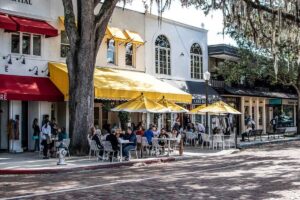
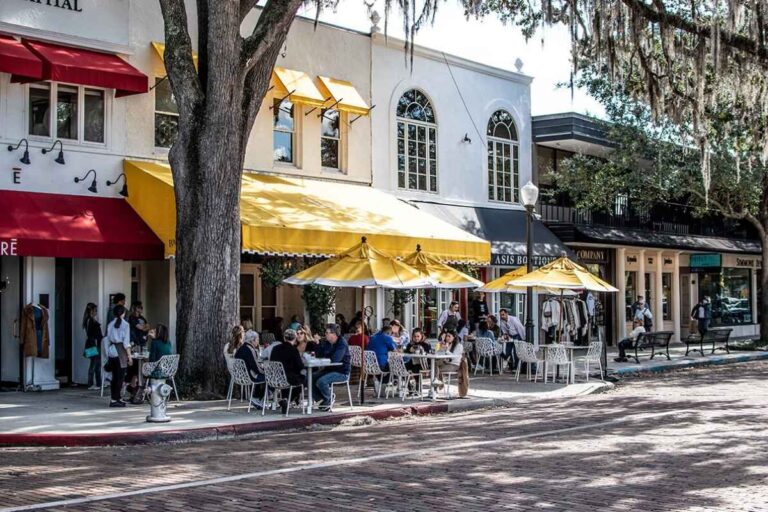
Orlando tends to reward concepts built for visitors, conventions, and destination spending. Jacksonville tends to reward concepts built for residents who shop weekly, stick to their routines, and like supporting the places they pass on their regular loops.
Tourism exists in both regions, yet the rhythm of how people buy pulls each city in its own direction.
Market Size And Customer Base
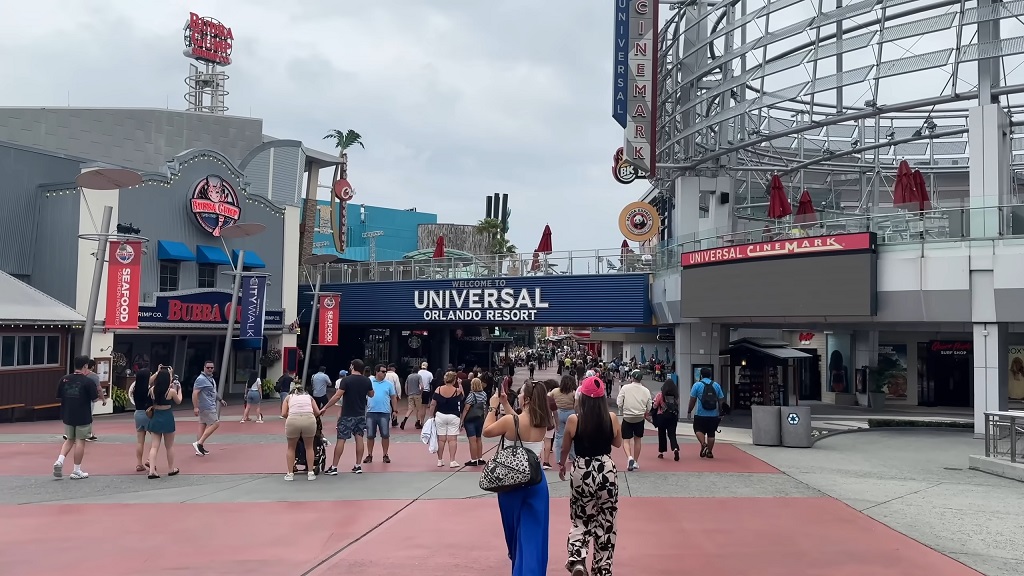
The Census Reporter ACS 2023 one-year profile places Orlando at 320,753 residents with a median household income of $69,414.
Poverty lands around 14.9%. Jacksonville reaches 985,837 residents with a median household income of $68,069 and a poverty rate of around 15 percent.
Quick Comparison Table
| Metric (ACS 2023) | Orlando | Jacksonville |
| Population | 320,753 | 985,837 |
| Median household income | $69,414 | $68,069 |
| Poverty rate | 14.9% | 15% |
A smaller resident base in Orlando still supports strong retail, but many locations lean on visitors or commuter corridors. Jacksonville’s large resident base supports the smaller, quieter patterns that keep a shop open long after a busy weekend fades.
If your concept grows through loyal customers and predictable buying cycles, Jacksonville gives you the density to work with. If your concept thrives on impulse purchases from visitors, Orlando sits on a completely different level.
Demand Drivers And Seasonality
Here’s how things stand:
Orlando: Visitor Volume Shapes Sales
View this post on Instagram
Visit Orlando counted 75,333,800 visitors in 2024. Domestic arrival volume reached 68,840,300, and international visitation landed at 6.5 million. A retail location positioned near major corridors can pull strong numbers during high travel periods.
Local owners build their staffing plan, inventory plan, and hours around peak travel windows, large conventions, and school holidays. Fast decisions rule the day.
Small, giftable, portable, and convenient products win over slow or high-friction purchases. Many owners trim risk by rotating inventory and testing add-on items that lift tickets without requiring long conversations.
Jacksonville: Local Routines Carry Most Shops
Visit Jacksonville reports more than 8 million annual visitors with an estimated economic impact of $7.4 billion. Direct spending lands around $4.1 billion across restaurants, attractions, activities, and rental cars.
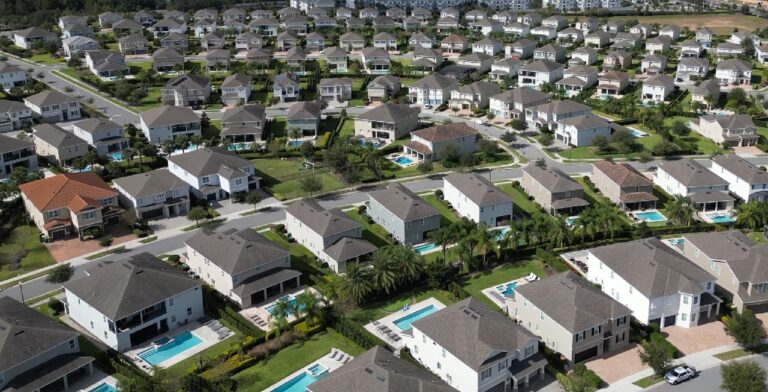
Visitor spending helps near beaches, stadiums, and entertainment corridors. Still, retail in most Jacksonville neighborhoods runs on repeat customers.
Owners care more about weekend rhythm, after-work traffic, school calendars, and beach season. Extreme seasonality softens compared to Orlando, which can help with payroll planning and purchasing stability.
Retail Space Conditions And Occupancy Costs
After payroll, rent usually sits as the highest fixed cost. Cheap rent can hide weak demand. High rent can work if your corridor produces meaningful daily conversions. Market structure matters more than headline numbers.
Orlando Retail Market Signals
Cushman and Wakefield’s Central Florida retail MarketBeat for Q3 2025 places vacancy around 5.0% with an average asking rent of $28.61 per square foot. Tight vacancy often limits inexpensive, visible storefronts.
That pushes owners into deeper conversations about tenant improvement allowances, shared buildout costs, rent escalations, and multi-year structures. You may need more patience to secure a location, and competition for prime spots remains strong.
Jacksonville Retail Market Signals
A Colliers Jacksonville snapshot for Q3 2025 cites vacancy near 4.6% and notes rental rate movement downward from $25.51. A tight market can still hold price pressure.
Tenants fall back on strong corridor selection, not bargain hunting. If a major node fills up, newcomers shift toward secondary corridors that depend on destination traffic rather than daily passersby.
A Florida Regulatory Change That Affects Expenses
According to Florida Revenue information, Florida ended the state sales tax on commercial rent for occupancy periods beginning on or after October 1, 2025. Many older pro formas still include a commercial rent tax line, which means you may see outdated cost projections in older templates.
Review lease timing and billing periods with a CPA who deals with Florida’s sales tax rules. Some leases overlap the changeover date and create mixed tax periods.
Sales Tax, Surtax, And Pricing Logic
Florida’s state sales tax sits at 6%. Counties add a discretionary surtax. Orange County adds 0.5%. Duval County adds 1.5%. A higher total rate in Duval can nudge pricing for sensitive categories. It may look minor, yet customers notice unexpected totals at checkout.
Clarity on shelf labels helps. Tourist-driven goods behave differently because customers treat them like mementos, but even then, clean pricing creates trust.
Owners often design simple point of sale materials before opening day, and a tool like a free online printable poster maker can help create clean shelf signs or quick promos without pulling in a designer.
Labor Conditions And Hiring Pressure
BLS metro snapshots from August 2025 place unemployment at 3.5 percent in the Orlando-Kissimmee-Sanford metro and 3.7 percent in the Jacksonville metro. Low unemployment tightens applicant pools and pushes wage expectations upward.
Orlando’s service-heavy economy produces many retail-trained workers, though competition for reliable staff can spike during visitor peaks.
Jacksonville’s hiring pool stays steadier, and many owners find long-term staff through neighborhood networks, local schools, and part-time workers tied to regular schedules.
Location Logic Inside Each City
A comparison at the city level sets the stage. The success of a shop depends on the corridor around it. Think in trade areas. Think in travel patterns. Think in daily rituals.
Orlando Corridors
- Visitor corridors: strong demand surges, higher rents, impulse-friendly baskets, intense competition.
- Neighborhood boutique corridors: patient growth, steady repeat customers, strong loyalty.
- University and commuter nodes: value-driven baskets, weekday peaks, seasonal student flow.
Giftable goods, themed items, travel convenience, and experience-driven retail often land near visitor corridors.
Specialty retail that grows on community reputation tends to fit slower, denser neighborhoods where customers return monthly.
Jacksonville Corridors
- Beach-driven retail: lifestyle goods, seasonal waves, weekend peaks.
- Established neighborhood districts: repeat customers, strong community buy-in.
- Suburban retail nodes: car-oriented shopping, destination intent, ample parking.
Lifestyle retail, home goods, specialty grocery, hobby items, and family-driven categories work well in Jacksonville’s residential patterns. Visitor-focused goods can still perform near beaches and stadiums, though the product mix has to reflect the person walking in, not a generic tourist.
Permits And Setup
Florida keeps many steps consistent across cities.
State Level Steps
- Register with the Florida Department of Revenue for sales and use tax when selling taxable goods.
- Form the business entity through the State of Florida Sunbiz portal if the structure calls for an LLC or corporation.
Local Level Steps
- Obtain a local business tax receipt through the city or county. Orlando publishes guidance through the City of Orlando portal. Jacksonville lists steps through its small business startup resources.
- Secure sign permits for any exterior signage, including illuminated signs.
- Secure buildout permits for structural changes, plumbing, electrical modifications, fire system changes, or occupancy type changes.
- Secure health department approval for any food handling beyond sealed packaged goods.
Many owners underestimate the timeline for signage and buildout. Even small interior changes can trigger multiple inspections. Secure a contractor who knows the local code office and can schedule inspections correctly.
A Practical Decision Framework By Shop Type
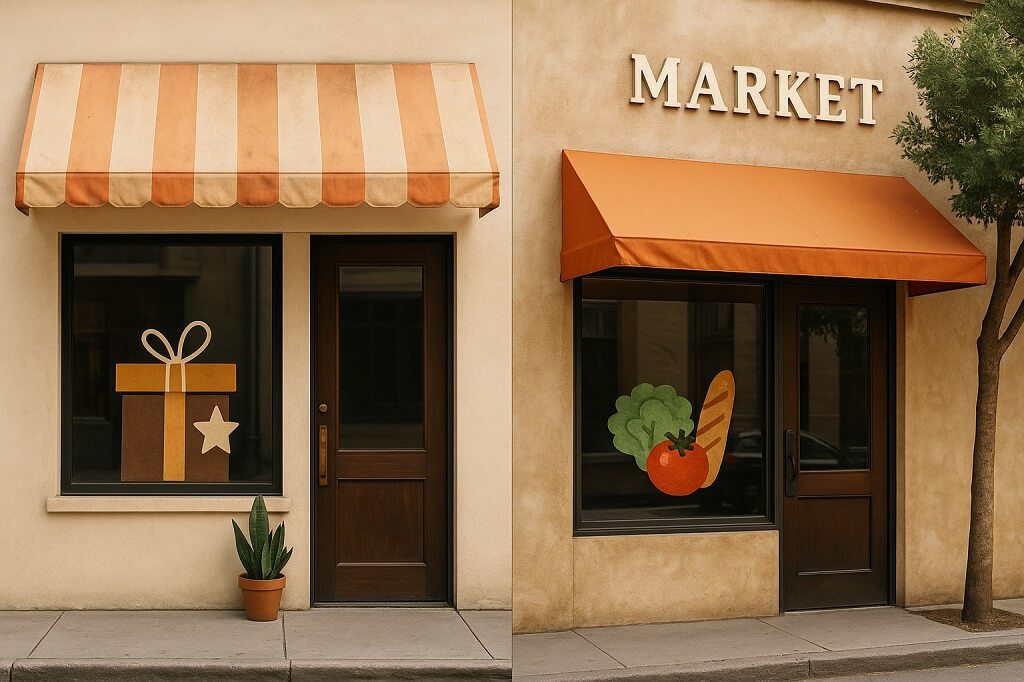
Concepts That Often Fit Orlando
- High-margin gift retail.
- Products that convert impulse shoppers.
- Travel convenience.
- Seasonal and event-driven product lines.
- Experiential retail designed for short visits.
Visitor volume fuels the model. Visit Orlando’s 2024 count of more than 75 million visitors reinforces the scale available to retail owners.
Concepts That Often Fit Jacksonville
- Neighborhood retail tied to repeat customers.
- Lifestyle retail near beaches.
- Service forward retail with return visits.
- Specialty grocery.
- Family and hobby retail with strong community participation.
Visit Jacksonville’s visitor and spending estimates add a helpful layer of demand, but the core usually comes from local residents.
A Simple Pro Forma That Works In Either City
A clear model helps you compare options without leaning on hope.
Monthly Structure
| Line Item | Notes |
| Gross sales | Transactions per day multiplied by the average ticket |
| Cost of goods sold | Often 45 percent to 65 percent, depending on the category |
| Gross margin | Gross sales minus COGS |
| Rent plus CAM | Lease terms matter more than base rent alone |
| Utilities and internet | Higher with refrigeration or heavy HVAC |
| Payroll plus payroll taxes | Include employer taxes, not only wages |
| Marketing | Local SEO, signage, small promos, event partnerships |
| Insurance | Liability, property, workers comp, depending on staffing |
| Merchant processing | Around 2 percent to 4 percent, depending on the mix |
| Net operating income | What remains before owner pay and debt |
Add Scenario Tabs
- Base case: steady weeks.
- Peak case: holiday or visitor surge.
- Slow case: worst eight-week stretch.
Florida’s commercial rent tax change after October 1, 2025, may shift occupancy numbers depending on lease timing. Adjust the model for your billing period.
Bottom Line
Pick Orlando when your concept thrives on visitor traffic, handles seasonality without stressing cash flow, and maintains margin strength in high-rent corridors. The massive 2024 visitation scale supports that path.
Pick Jacksonville when your concept grows through repeat customers, neighborhood reputation, slower but steadier weeks, and weekend patterns tied to beaches or established communities. The large resident base, paired with more than 8 million annual visitors, produces dependable demand for shop owners who lean on local routines.