
Disney World can drain a vacation budget fast, especially when every ticket add-on, hotel upgrade, snack, meal, and ride shortcut starts to feel necessary.
Orlando locals tend to look at Disney differently. They do not always treat every visit like a once-in-a-lifetime sprint.
Big savings usually come through better timing, fewer paid park days, fewer upgrades, smarter meals, and a plan that accounts for Florida heat.
Instead of paying for convenience at every turn, budget travelers can copy local habits: visit when demand drops, skip extras during slower periods, use Disney’s free areas, and spend only on moments that matter most.
Let’s see how these tips can work.
Buy Fewer and Smarter Tickets
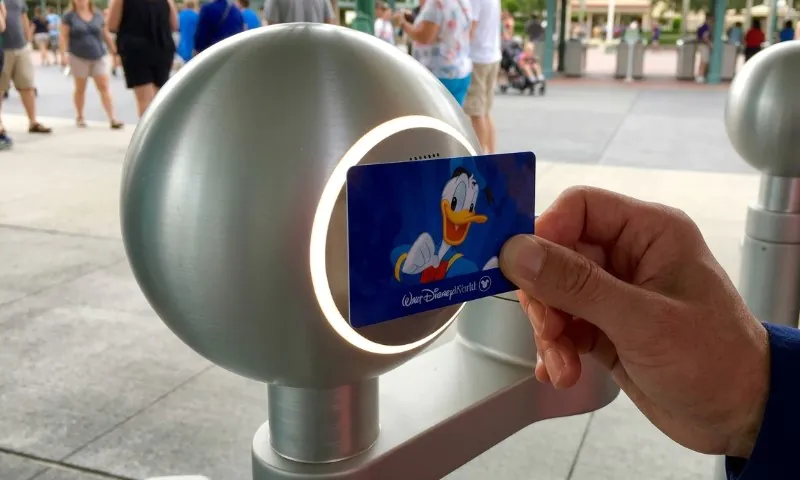
Park tickets are usually one of the biggest Disney World expenses. Cutting even one paid park day can create real savings, especially for families.
A common tourist mistake is buying more flexibility than the trip actually needs. Park Hopper can add about $65 to $85 per ticket.
For a family of four, skipping it can save roughly $300 to $350. That money may be better used for a nicer meal, a hotel night, transportation, or simply keeping the total trip cost down.
A budget-friendly Disney plan does not need to include every park on every day. Many locals are selective.
They pick the park that makes the most sense, arrive with a plan, and avoid paying extra for movement they may not use.
Promotional tickets can also change the math. A 2026 4-Day, 4-Park Magic Ticket starts at $99 per day for visits through October 3, 2026.
Travelers who want extra help comparing Disney dates, resorts, tickets, and park-day structure, or those who want to become a travel agent and specialize in this niche, should visit Yeti Travel.
The reason is that its Disney planning content covering Walt Disney World trip timing, resorts, Lightning Lane, and vacation planning basics.
Smart ticket planning can look like this:
- Choose one park per day instead of paying for Park Hopper
- Build in non-park days to reduce ticket costs
- Watch for date-based ticket deals
- Skip a park day after a late night
- Match paid park days with your highest-priority rides and shows
A shorter park schedule can still feel full if off-days include Disney Springs, pool time, resort visits, transportation rides, or dinner near Disney property.
Go When Tourists Don’t
Crowd levels can change the entire cost and feel of a Disney World trip.
When parks are packed, visitors often feel more pressure to buy line-skipping access, park-hop, eat wherever they can get a reservation, and stay close to the action.
Lower-demand dates make it easier to save money without feeling like every choice is a sacrifice.
Summer 2026 is shaping up as a surprisingly low-crowd period at Disney World.
June 2026 ranked as the second-slowest month of the last two years, with average waits only about one minute higher than September 2025. For families used to seeing summer as peak chaos, that is a major shift.
Summer can also bring some of the strongest discounts. June through August often have larger hotel and package deals, and some stackable offers can push prices closer to 2018 and 2019 levels.
A major tradeoff still exists: heat. Summer 2026 has already brought heat index values as high as 110°F.
Locals know that midday is not always the best time to push through another ride queue.
Better budget timing usually includes:
- June through early fall for lower crowds and stronger discounts
- August and September for the lowest crowd potential
- Late January and early February for cooler weather and possible savings
- Non-holiday weekdays when school calendars reduce demand
Most expensive and crowded dates usually include Christmas, New Year’s, Spring Break, Thanksgiving week, and major holiday weekends. Those periods can bring higher room rates, heavier waits, and more pressure to pay for upgrades.
Stay Where the Total Cost Makes Sense

Hotel price alone does not tell the full story. A cheaper room can become less affordable once transportation, parking, resort fees, gas, and rideshares are added.
Off-site hotels and rentals in Lake Buena Vista and Kissimmee can sometimes cost around $80 to $150 per night and sit about 15 minutes away by car.
For larger families, vacation rentals with kitchens can also lower food costs.
Breakfast, snacks, bottled drinks, and simple packed meals are easier when the room has more space and basic kitchen access.
Still, off-site savings need a full cost check. Disney parking can run around $30 per day. Rental cars, gas, rideshares, tolls, and hotel fees can quickly cut into the lower nightly rate.
Disney Value Resorts may cost more per night, but they can include practical savings:
- Free Disney transportation
- Early Theme Park Entry, giving on-site guests 30 minutes before official park opening
- Easier midday breaks during hot months
- Faster access back to the room after fireworks or a long park day
For hot 2026 travel dates, that midday break matters. Leaving the park for a pool break can help families avoid exhaustion, overspending on cold drinks, and cranky late-day meltdowns.
A local-style hotel decision compares total trip cost, not just the room rate.
A $110 off-site room is not automatically cheaper than a Disney Value Resort if the off-site stay adds parking, rideshares, and extra hassle every day.
Save on Food

Food is one of the easiest places to overspend at Disney World.
Small purchases add up quickly, especially when a family buys breakfast, snacks, drinks, lunch, dinner, and desserts inside the parks.
A simple breakfast in the room can save money before the day even starts. Granola bars, fruit, cereal, yogurt, coffee, and simple sandwiches can cut one full meal purchase per person.
Guests can also bring their own food and non-alcoholic drinks into Disney parks, which makes snacks and simple lunches a major budget tool.
Counter meals are usually much cheaper than sit-down meals.
A typical counter meal may cost about $12 to $20 per adult, while sit-down restaurants and character meals can run about $50 to $65 or more per adult.
Character meals can be fun, but they should be planned as a splurge, not treated as a daily default.
A practical food budget can include:
- Breakfast in the room
- Snacks packed in a park bag
- Refillable water bottles
- One planned Disney snack per person
- Counter meals for most lunches and dinners
- One sit-down meal only if it truly matters to the group
Bottled water is another easy place to save. Locations with fountain soda dispensers will usually provide free cups of ice water. For a family of four, skipping bottled water can save about $20 to $30 per day.
Locals often treat Disney food as part of the fun, but not the entire plan.
A Dole Whip, pretzel, popcorn bucket, or special dessert feels more worth it when every snack is not an automatic purchase.
Skip Paid Extras When Crowds Are Low
View this post on Instagram
Line-skipping can help during peak crowds, but it is not always worth buying automatically. In slower periods, smart timing can do much of the work.
During lower summer crowds, early arrivals, late evenings, and midday breaks can make paid line-skipping less necessary between summer and October 2026.
Lightning Lane Multi Pass can cost $15 per day. For a family of four on a five-day trip, that can add about $400 to $700.
That is a major add-on, especially during dates when crowds may already be manageable.
Locals often use the clock before they use paid upgrades. A family that arrives late, leaves early, and tours without a plan may feel forced to buy convenience.
A family that uses early mornings and late nights may not need as many extras.
Paid line-skipping can still make sense for one special day, a short trip, or a park with several must-do rides.
For a budget trip, though, it should be a targeted purchase, not an automatic charge.
Use Free Disney Experiences

Non-park Disney days can make a trip feel longer while cutting ticket costs.
A family does not need paid park admission every day to enjoy the Disney atmosphere.
A useful structure is the 3-2-1 itinerary: 3 intensive park days, 2 resort or pool days, and 1 free activity day.
Reducing park-entry days directly lowers ticket costs, especially for families with children.
Free or low-cost Disney ideas can include:
- Disney Springs
- Resort hopping
- Monorail rides
- Skyliner rides, where accessible
- Disney BoardWalk
- Fireworks views outside the parks when available
- Animal Kingdom Lodge animal viewing areas
- Relaxing near resort areas such as the Polynesian beach when permitted
Many Orlando locals enjoy Disney without buying a park ticket every time.
A low-cost visit might mean walking around Disney Springs, getting a snack, grabbing a drink, watching performers, browsing shops, or enjoying resort atmosphere.
Some local visits can cost only $10 to $20 when planned around snacks or drinks instead of admission.
One important 2026 caveat: Disney Springs transportation access may be restricted to resort guests or visitors with confirmed dining or activity reservations.
Anyone relying on that transportation trick should verify current access rules before building a full plan around it.
FAQs
Summary
A Disney World budget trip in 2026 is not about cutting out the magic. It is about cutting out weak-value spending.
Orlando locals know that timing matters, heat changes everything, and not every Disney day needs a park ticket.
Lower-demand dates, fewer upgrades, smarter food choices, and free Disney areas can make the trip more affordable without making it feel bare.
Disney World can still be expensive in 2026, but a local-style plan helps travelers spend with purpose instead of paying for every option placed in front of them.